Intelligence Blog
Mobile Spyware & Offensive Cyber Analysis
73 in-depth articles covering mobile spyware, malware, banking trojans, RATs, and the offensive cyber threat landscape — with detection guidance, incident response playbooks, and threat analysis. Fresh investigative analysis is published every morning.

 Field Intelligence
Undercover Agent and the New Rules of Mobile Covert Evidence
As NYPD and UK Home Office rules tighten disclosure duties for 2026, covert mobile recording only survives court scrutiny when authorisation, chain of custody and extraction procedures are locked in before the device starts rolling.

 Investigative Technology
Pre-Publication Integrity Audits Defeat Article 8 Privacy Claims
As UK courts tighten scrutiny of covert recordings, investigative newsrooms can no longer lean on public interest alone. This feature examines how pre-publication integrity auditing, verifiable retention and proportionality documentation can defeat Article 8 and selective-editing challenges before they reach a courtroom.

 Threat Analysis
Google Confirms State Hackers Are Weaponizing AI Coding Tools
A new Google Threat Intelligence Group report shows state-sponsored hackers manipulating autonomous coding assistants to plant backdoors, marking a confirmed shift from AI-assisted scripting to AI-driven intrusion.

 Threat Analysis
Vinci RAT Hid in Microsoft Store's 'Setup Assistant' App for Months
A trojanized app sat in Microsoft's official store for five months, surviving an abuse report before researchers forced a reckoning over how first-party curation actually works.

 Threat Analysis
CISA's KEV Mandate Exposes Mail Infrastructure and AI Data Risk
CISA's emergency KEV additions for N-able MailAssure and MONAI Label force federal patching deadlines, revealing how automated exploitation now spans email infrastructure and AI research tooling alike.

 Spyware Analysis
Forked iOS Spyware: How P7 Evades Apple's Threat Alerts
Leaked nation-state iOS exploit code is being forked by criminal developers into implants like P7 that Apple's own threat-notification system never flags, leaving enterprises blind to active compromise.

 Threat Analysis
Google's XCPE Takedown Exposes OEM-Level Android Backdoors
A Google-led takedown of the XCPE botnet shows an Android OEM allegedly built surveillance and proxy-monetization backdoors into device firmware, reshaping how the industry must assess supply-chain trust.

 Spyware Analysis
FomoPeek: How a Trojan App Beat Apple's App Store Review
A trojanized iOS application named FomoPeek cleared Apple's review and deployed a sandbox-escape toolkit to steal cross-app data, exposing the limits of App Store-based mobile security assumptions.

 Investigative Technology
The Lawful Interests Shield: Covert Recording Law for Reporters
Two 2026 rulings, one from Canberra, one from Cardiff, are rewriting the legal ground beneath covert newsgathering. Investigative teams that treat the 'lawful interests' test as a box to tick after the fact will find their strongest footage sealed before anyone sees it.

 Field Intelligence
The Ephemeral Data Threshold: Securing Undercover Device Evidence
Deleted messages recovered from infiltrated Android handsets can make or break a prosecution, but UK and EU findings show the paperwork around that recovery is often the first thing a defense team tears apart.

 Field Intelligence
Why Command Dashboards Must Bind Field Recordings to Warrants
As courts from London to Brasília tighten scrutiny of covert mobile captures, investigators need proof that every recording was authorised before it started, not justified afterward.

 Investigative Technology
The Completeness Mandate: Raw Footage Now Decides Covert Cases
New judicial standards from Australia's High Court and England's Family Justice Council are turning raw, unedited master recordings into the deciding factor when covert investigative footage faces a selective-editing defence.

 Threat Analysis
Hermes Agent Backdoor Turns npm Packages Into Telegram C2
A fake CRM connector published nine times in six hours planted a Telegram-controlled backdoor across developer pipelines, revealing how routine package installs have become a staging ground for unmonitored surveillance infrastructure.

 Threat Analysis
Eleven Minutes to Root: Autonomous AI Exploits a Healthcare Zero-Day
A suspected China-linked operation turned an unpatched MONAI Label vulnerability into root access on university infrastructure in eleven minutes, using autonomous AI agents instead of human operators, a shift with consequences far beyond healthcare research.

 Spyware Analysis
ROMULUS ClickFix Loader Delivers CNCMachineRMS Spyware
A fake Stardock utility, a poisoned ChatGPT Custom GPT, and a sideloaded DLL combine to install CNCMachineRMS, a surveillance implant that watches, listens, and records victims through hijacked enterprise software.

 Spyware Analysis
Apple's 99-Country Spyware Alerts Hit German Lawmakers Hard
Apple's mercenary spyware notifications reached 99 countries this month, with German lawmakers among the confirmed recipients of zero-click iOS warnings that required only a phone number for attempted compromise.

 Field Intelligence
When Undercover Logs Fail: Fixing the Chain-of-Custody Gap
Field handsets now stream video, audio and location data from inside cartels and corruption rings in near real time. Prosecutors are discovering that the recordings are rarely the problem in court — the missing supervisory paperwork behind them is.

 Investigative Technology
Digital Exhaust: The Provenance Gap Threatening Investigative Sources
Encrypted chats get all the attention, but the Wi-Fi logs, device fingerprints and login records investigative teams leave behind are now the easier way for hostile actors to reconstruct who met whom, where and when.

 Spyware Analysis
GravityRAT Hits Indian Defense Staff via Fake Play Store Pages
A fresh GravityRAT campaign uses spoofed aerospace recruiter sites and a fake "under review" notice to push Indian military personnel into sideloading spyware disguised as a résumé builder.

 Threat Analysis
ArcticRAT and Bazuka: Mobile Trojans Now Use LLMs to Pick Victims
Android banking trojans ArcticRAT and Bazuka now call commercial LLM APIs to triage stolen SMS and app data on-device, letting operators automatically rank victims before a human ever looks at the haul.

 Field Intelligence
Entrapment or Evidence: The Line Covert Phone Tools Can't Cross
As smartphone-based covert capture tools spread through undercover units, command staff face a hard legal boundary: detecting a crime is lawful, provoking one isn't. Here's how the audit trail decides which side an operation lands on.

 Investigative Technology
Contextual Corroboration: Making Field Footage Court-Ready
As courts and newsrooms demand proof of provenance, investigative teams are learning that raw footage alone cannot survive legal or disinformation scrutiny without independent corroboration.

 Spyware Analysis
How Rogue Ad Networks Became a Spyware Delivery Channel
A November 2026 threat advisory describes how mercenary spyware operators allegedly abused real-time bidding auctions to profile nearly 200,000 environments, raising hard questions about adtech accountability and critical infrastructure exposure.

 Spyware Analysis
iOS Spyware Goes Mass-Market: iVerify Data Shows 75% Hit Staff
New mobile threat telemetry shows three-quarters of iOS spyware infections now come from criminal dragnets, not nation-states, forcing enterprises to rethink mobile defense beyond the C-suite.

 Industry Analysis
Israel's DECA Gap: How Ad-Tech Became a Spyware Delivery Rail
A programmatic ad platform called Discover-Tech routed Candiru and Bindecy spyware to targets through ordinary ad impressions, exposing a structural hole in Israel's cyberweapon export regime.

 Investigative Technology
Forensic Admissibility Rules Reshape Covert Newsroom Recording
New jurisprudence on 'lawful interest' and strict forensic standards for native files mean undercover audio and video must be treated as courtroom exhibits from the moment of capture, not polished afterward.

 Spyware Analysis
AdFection Spyware Campaign Weaponizes RTB Ads, GDPR Consent
A front company called Discover-Tech allegedly used GDPR consent prompts to harvest device identifiers inside legitimate ad auctions, feeding a spyware pipeline that EU threat briefings have linked to Israeli vendor Candiru.

 Threat Analysis
Optimizely CDN Breach Turned A/B Tests Into iOS Exploit Delivery
A compromised experimentation feature at Optimizely turned 178 trusted websites into a single delivery pipe for card skimming and a conditional iOS exploit chain, exposing how fragile the SaaS script-injection supply chain really is.

 Spyware Analysis
Inside DarkSword and Coruna: iOS Exploits Riding SaaS Supply Chains
A single compromised SaaS script turned visits to major news and collaboration sites into zero-click iPhone infections, showing mercenary exploit kits now ride inside everyday web infrastructure rather than targeted phishing links.

 Field Intelligence
Chain of Custody: Why Covert Cloud Apps Must Prove Every Byte
As agencies swap dedicated body wires for covert apps on ordinary Android phones, the evidence that matters most isn't the recording. It's the log proving nobody touched it.

 Threat Analysis
FomoPeek: How a Sandbox-Escape Toolkit Beat Apple's Review
A trojanized iOS app named FomoPeek cleared Apple's App Store review while hiding a sandbox-escape payload, exposing the limits of app-store gatekeeping as a standalone mobile security control for enterprises and governments.

 Spyware Analysis
Instagram Ads Now Deliver Zero-Click Spyware, iVerify Confirms
A November 2026 iVerify report confirms mercenary spyware can now compromise a phone through an Instagram ad the instant it renders, no click required, reshaping the malvertising threat model entirely.

 Spyware Analysis
Apple's Spyware Alerts Miss Leaked Exploits, Hit Bystanders
A new iVerify analysis shows Apple's Threat Notifications missed every confirmed DarkSword and Coruna infection while flagging bus drivers and stay-at-home parents, exposing a detection model chasing yesterday's threat.

 Spyware Analysis
Leaked iOS Exploit Kits Hand Spyware Power to Criminal Gangs
A new iVerify report shows criminal groups now drive three-quarters of iPhone spyware detections, powered by leaked exploit kits DarkSword and Coruna, while Apple's threat alerts stayed silent for every victim.

 Threat Analysis
Google's exploit_agent Find Signals the End of the Patch Gap
Google's Threat Intelligence Group found a self-running AI agent that weaponizes patches without human help. Here's what the discovery confirms, what it doesn't, and why the patch window just became the new battleground.

 Industry Analysis
Thailand Presses Apple on Spyware Alerts, Hits a Wall
A ministerial sit-down with Apple over spyware warnings to Thai politicians exposed how little governments can learn from the world's most consequential threat-notification system.


The Evolution of Mobile Spyware: From FlexiSPY to ZeroDayRAT
A comprehensive history of mobile surveillance tools — from early consumer stalkerware to commercial malware-as-a-service platforms like ZeroDayRAT. Learn how the threat landscape has transformed over two decades.

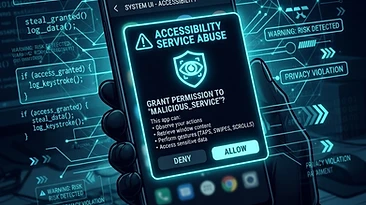
How Android Accessibility Services Became the Ultimate Spyware Vector
Android's Accessibility Service was designed to help disabled users. Instead, it has become the most powerful spyware vector on mobile. Learn how it works and how to defend against it.

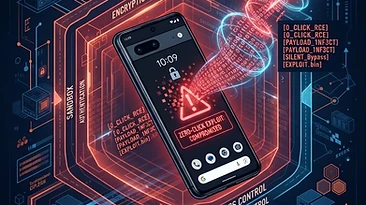
Zero-Click Exploits Explained: The Holy Grail of Mobile Hacking
Zero-click exploits require no user interaction. They are the most sophisticated and expensive attacks in mobile hacking. Learn how they work, who uses them, and how to defend against them.


The Commercial Spyware Economy: Who's Buying and Who's Selling
A deep dive into the global marketplace for mobile surveillance tools — from mercenary spyware companies to dark web malware-as-a-service operations. Understand the economics driving the spyware industry.


SMS OTP Interception: How Banking Trojans Defeat 2FA
SMS-based two-factor authentication is used by billions of people, but mobile spyware can intercept OTP codes before they ever reach the user. Learn how this attack works and what to do about it.


The Pegasus Playbook: Inside NSO Group's Surveillance Empire
Pegasus by NSO Group is the most documented mercenary spyware in history. Learn about its capabilities, its victims, and the legal battles that followed its exposure.


Detecting Mobile Spyware: A Defender's Complete Guide
A comprehensive guide to detecting mobile spyware on Android and iOS devices — from permission auditing to forensic analysis. Learn the tools, techniques, and strategies for identifying compromise.

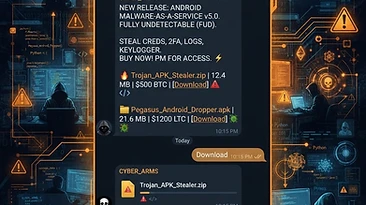
The Rise of Malware-as-a-Service on Telegram
Telegram has become the primary distribution channel for commercial mobile malware. Learn how MaaS operators use Telegram channels, bots, and cryptocurrency to sell spyware globally.


iOS Lockdown Mode: Does It Actually Protect Against Spyware?
Apple's Lockdown Mode is the most aggressive mobile security feature ever shipped. But does it actually work? Learn what it protects against, what it doesn't, and who should enable it.

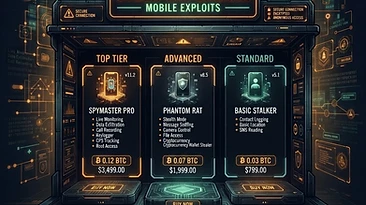
The Dark Web Market for Mobile RATs: A Price Analysis
How much does mobile spyware cost on the dark web? A detailed price analysis of mobile RATs, banking trojans, and surveillance tools available on underground marketplaces.

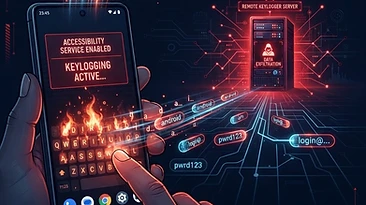
Keyloggers on Android: How Accessibility Abuse Captures Everything
Android keyloggers don't need custom keyboards — they use accessibility services to capture every keystroke. Learn how this attack works and how to detect it.


MDM Profiles as a Spyware Vector on iOS
iOS is more locked down than Android, but MDM configuration profiles can bypass many restrictions. Learn how MDM profiles are abused for surveillance and how to detect them.


The Supply Chain Attack Chain: From Developer to Victim's Phone
Supply chain attacks compromise the software development process itself. Learn how mobile apps can be infected before they ever reach the app store, and how this affects end users.


How Mobile Spyware Evades Google Play Protect
Google Play Protect scans billions of apps, but spyware developers have evolved sophisticated evasion techniques. Learn how mobile malware bypasses the world's largest mobile security scanner.


Clipboard Hijacking: The Silent Cryptocurrency Thief
Clipboard hijacking malware silently replaces cryptocurrency wallet addresses when you copy them. Learn how this attack works and how to protect your crypto.


The Forensics of Mobile Spyware: Using MVT to Detect Compromise
MVT (Mobile Verification Toolkit) is the gold standard for mobile spyware forensics. Learn how to use it, what it can detect, and its limitations in identifying advanced spyware.

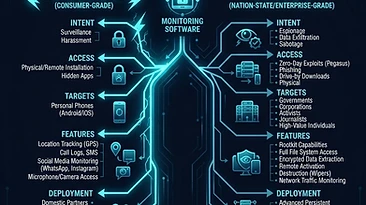
Stalkerware vs Spyware: Understanding the Threat Taxonomy
Stalkerware, commercial spyware, and mercenary spyware are all forms of mobile surveillance, but they differ in purpose, cost, and targeting. Learn the taxonomy and why it matters for defense.


How Nation-States Use Commercial Spyware for Surveillance
Governments are increasingly using commercially available spyware instead of developing their own. Learn why commercial spyware is attractive to nation-states and what it means for global surveillance.


The Zero-Day Market: Who Sells Mobile Exploits and for How Much
The zero-day exploit market is a multi-million dollar industry. Learn who buys and sells mobile exploits, how much they cost, and why this market is critical to understanding the spyware ecosystem.


Camera and Microphone Surveillance: How RATs Turn Phones into Bugs
Mobile RATs can silently activate your camera and microphone, turning your phone into a remote surveillance device. Learn how this works and how to detect it.


Enterprise Mobile Security: Protecting Executives from Targeted Spyware
Executives are prime targets for mobile spyware. Learn how enterprises can protect their leadership from targeted surveillance, from MDM policies to executive protection programs.


The Psychology of Social Engineering in Mobile Spyware Delivery
Mobile spyware doesn't exploit software vulnerabilities — it exploits human psychology. Learn the social engineering techniques used to trick users into installing spyware.


Android vs iOS Security: Which Platform Is Safer from Spyware?
The debate between Android and iOS security is complex. Learn the real differences in spyware resistance, platform-specific vulnerabilities, and which platform is safer for different users.


The Role of Telegram in the Commercial Spyware Ecosystem
Telegram has become the backbone of the commercial spyware industry. Learn how spyware is sold, supported, and distributed through Telegram channels and bots.


How to Build a Mobile Threat Intelligence Program
A practical guide to building a mobile threat intelligence program — from threat modeling to IOC collection, analysis, and dissemination. Learn how to stay ahead of mobile spyware threats.


The Legal and Ethical Landscape of Commercial Spyware
The commercial spyware industry operates in a complex legal and ethical landscape. Learn about the laws, regulations, and ethical frameworks that govern (or fail to govern) the spyware industry.

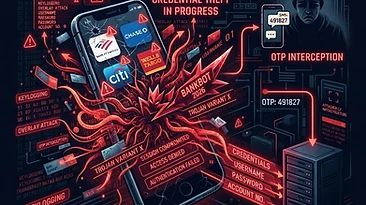
Banking Trojans of 2026: Anatsa, FluBot, and Beyond
Banking trojans are among the most financially damaging mobile threats. Learn about the major banking trojan families of 2026, their capabilities, and how to defend against them.

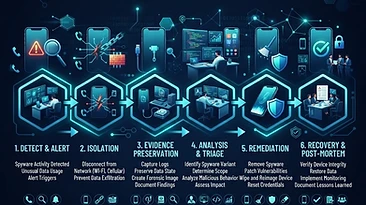
Incident Response for Mobile Spyware: A Step-by-Step Playbook
A complete incident response playbook for suspected mobile spyware compromise. Learn what to do from detection through remediation, with specific steps for Android and iOS.


The Future of Mobile Spyware: AI-Powered Surveillance and Beyond
What does the future hold for mobile spyware? From AI-powered surveillance to new attack surfaces, learn about the emerging threats that will shape the next decade of mobile security.


What Is ZeroDayRAT? A Technical Breakdown of the Mobile Spyware Platform
ZeroDayRAT is a commercially marketed mobile surveillance and remote access trojan documented by security researchers in 2026. This technical breakdown covers its architecture, reported capabilities, evidence classification, and what is actually verified versus advertised.


ZeroDayRAT Indicators of Compromise: IOCs and Detection Signatures
A practical set of ZeroDayRAT indicators of compromise, detection signatures, and behavioral indicators for security teams. Includes network IOCs, host-based indicators, YARA rules, and SIEM detection logic for identifying ZeroDayRAT infections.

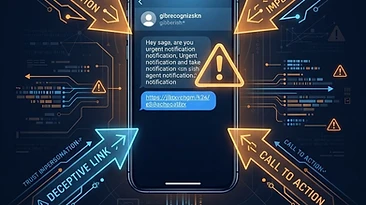
How ZeroDayRAT Spreads: Delivery Vectors and Infection Methods
ZeroDayRAT reaches victims through sideloaded APKs, social engineering, and phishing. This analysis covers the documented delivery vectors, infection chain, and how to block each stage of ZeroDayRAT deployment on Android and iOS.


ZeroDayRAT C2 Infrastructure: Command and Control Architecture Analysis
ZeroDayRAT relies on a web-based command and control panel to manage infected devices. This analysis from the ZeroDayRAT Intelligence Center covers C2 architecture, communication protocols, infrastructure rotation patterns, and how defenders can map and disrupt ZeroDayRAT command infrastructure.


ZeroDayRAT on Android vs iOS: Platform-Specific Threat Analysis
ZeroDayRAT targets both Android and iOS, but the threat profile differs dramatically between platforms. This analysis from the ZeroDayRAT Intelligence Center compares Android and iOS attack surfaces, permission models, sandboxing constraints, and why most advertised iOS capabilities remain unconfirmed.


How to Remove ZeroDayRAT: Step-by-Step Removal and Recovery Guide
If you suspect ZeroDayRAT infection, this step-by-step removal guide from the ZeroDayRAT Intelligence Center walks through isolation, evidence preservation, app removal, permission revocation, credential reset, and full device recovery for Android and iOS.


ZeroDayRAT and Banking Trojans: Financial Threat Deep Dive
ZeroDayRAT combines surveillance capabilities with financial targeting features including OTP interception, clipboard hijacking, and credential overlay attacks. This deep dive from the ZeroDayRAT Intelligence Center examines the financial threat surface and how to protect banking and crypto assets.


ZeroDayRAT Persistence Mechanisms: How It Stays on Your Device
ZeroDayRAT uses multiple persistence techniques to survive reboots and stay hidden on infected devices. This analysis from the ZeroDayRAT Intelligence Center covers accessibility auto-start, device admin, foreground services, icon hiding, and how to break each persistence mechanism.


Join Our Community
ZeroDayRAT Intelligence on Telegram
Get real-time mobile spyware alerts, threat briefings, and defensive guidance.
